
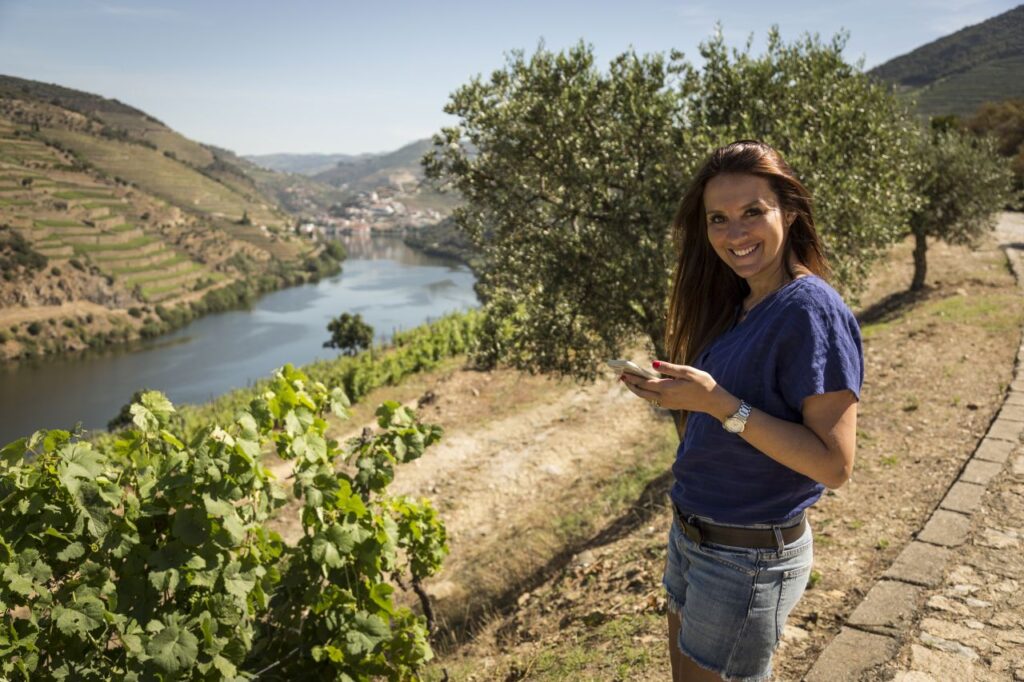
There’s a moment on a Douro river cruise that nobody tells you about before you go. You’re somewhere between Porto and Pinhão, the terraced vineyards are rising on both sides of the water, and the light is hitting the schist hillsides at exactly the right angle, and you realize that this is one of the most beautiful landscapes you’ve ever been inside. Peso da Régua is where that moment tends to crystallize. The town sits at the center of port wine country, and it has been the commercial and cultural heart of the Douro for centuries.
For travelers who want to understand why the Douro keeps appearing at the top of every list of the most scenic river cruises in europe, Régua is the answer. The town is not a museum piece. It’s a working place that still revolves around wine, still loads barrels and bottles onto boats at the dock, and still holds the kind of everyday rhythms that make a river town feel real. And it’s surrounded by one of the most remarkable agricultural landscapes in the world.
The Douro Valley and What Makes It Extraordinary
The Alto Douro Wine Region around Peso da Régua is a UNESCO World Heritage Site, recognized for its 2,000 years of continuous wine production and the extraordinary cultural landscape that viticulture has created along the riverbanks. The terracing here was built by hand, cut into steep schist slopes where mechanized farming was never possible, and the result is a kind of agricultural architecture that you don’t see anywhere else in Europe. From the water, you’re looking at layer after layer of vines, each terrace following the contour of the hillside, with the occasional stone quinta or ancient chapel breaking the pattern.
The wine itself is the other reason to come. Port wine was invented here, and the quintas along the river have been producing it using techniques that have evolved over centuries. A day in port at Régua typically includes at least one visit to a wine estate, and the quality of those tastings on river cruises in europe is consistently at a level that you couldn’t arrange independently without significant advance planning. The lines that operate the Douro have relationships with estates that don’t open their cellars to casual visitors, which means the tasting experience you get aboard a ship is genuinely exclusive.
What AMA Waterways Offers in Régua
AMA Waterways has built its Douro itineraries around the idea that the port visit should go deeper than the standard winery tour. Their excursions in Régua often include visits to family-owned quintas that aren’t accessible to standard tour groups, with expert-led commentary that puts each tasting in historical and geographical context. AMA also offers active options on most ports, including guided walks through the vineyards themselves, which gives passengers a ground-level understanding of why this landscape earned its UNESCO designation.
The ships AMA operates on the Douro are purpose-built for the river, narrower and lower than their Rhine and Danube vessels to navigate the Douro’s locks. The intimacy of the ships makes the social experience aboard different from larger river cruising, and for many passengers the size of the vessel becomes one of their favorite things about the trip. Dinner conversation at a Douro table tends to stay lively because there are fewer tables to spread out across.
What Avalon Waterways Offers in Régua
Avalon’s approach to the Douro leans into its Suite Ship design philosophy, which puts the full panoramic window experience at the center of the cabin. On a river where the landscape is the main event, that design choice pays off completely. Passengers can wake up to vineyard views without leaving their room, and the open-air sun deck provides an unobstructed platform for watching the river move through the valley at any time of day.
Avalon’s excursions in Régua tend to include a strong wine education component alongside the standard tastings, with guides who can explain the difference between the major port styles and the significance of the vintage years in the context of the region’s climate. For travelers who want to leave with a deeper understanding of what they’ve been drinking, the Avalon approach gives them that context without being overwhelming about it.
The Town of Régua Itself
Beyond the wine estates, Peso da Régua rewards a couple of hours of walking. The train station is one of the most photographed buildings in the region, covered in blue and white azulejo tile panels depicting the history of the Douro and its wine trade. The panels were installed in 1905 and are still in remarkable condition, and they tell the story of the valley in a way that no museum exhibit could replicate. The train to Pinhão, which departs from Régua and follows the river through some of the most dramatic Douro scenery, is worth taking if the itinerary allows time for it.
The waterfront promenade along the dock area is where the town gathers in the late afternoon, and it’s a good place to sit with a glass of something local and watch the river. The Douro runs wide and calm through Régua, and the light in the late afternoon turns the vineyards on the opposite bank to something close to gold. It’s one of those everyday views that reminds you why the most scenic river cruises in europe include this stretch of water on their routes.
Choosing the Right Approach for the Douro
Affordable european river cruises on the Douro are more accessible than most first-time passengers expect. The all-inclusive pricing on both AMA and Avalon packages the wine, the excursions, and the meals in a way that makes the total cost comparable to a self-planned wine country trip, where entrance fees, private tastings, and transportation add up quickly. For a landscape this concentrated and this logistically challenging to explore independently, the river cruise format makes genuine practical sense.
The Douro is also a shorter cruise than most European river routes, typically running five to seven days from Porto to Salamanca or Vigo. That makes it an ideal first river cruise for travelers who aren’t sure they want to commit to ten or fourteen days on the water, and an ideal follow-up for those who’ve already done the Rhine or the Danube and want to see something completely different. Régua is the heart of the experience either way. The town, the wine, the terraced hillsides, and the light on the river at the end of the day are the reasons people leave the Douro already planning to come back.
For more on what the Douro delivers at its most intimate, read our piece on Pinhão: A Cozy Douro Story Told by the River.