
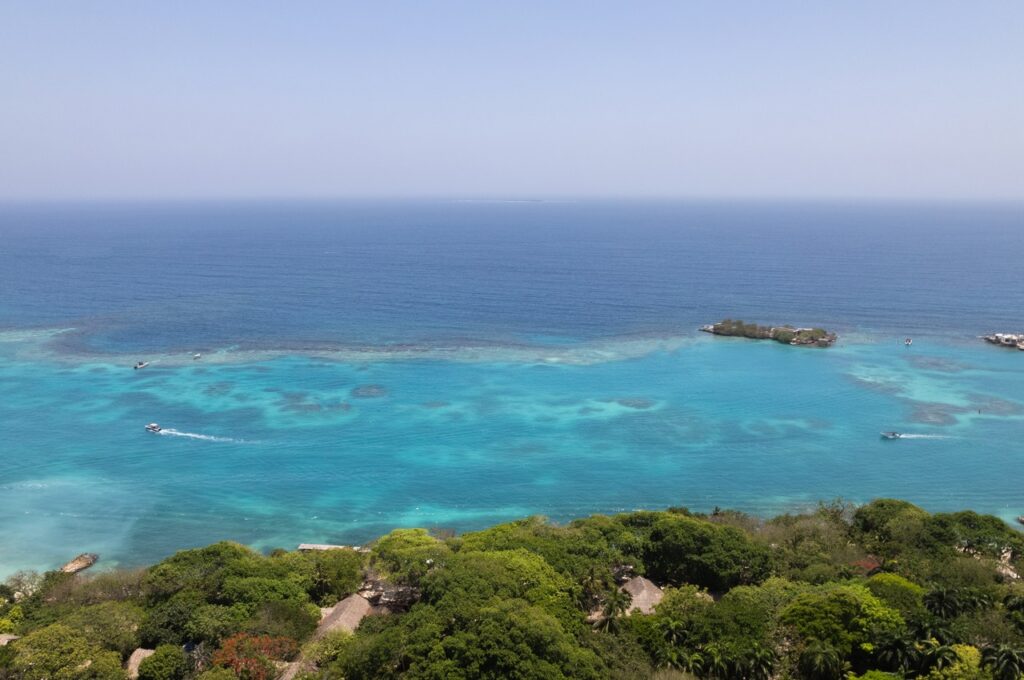
Why Water Type Matters More Than the Island Name
Travelers regularly ask me to identify the nicest island in the Caribbean, but I think that question skips the most important consideration. The better first question is which type of water you want to enjoy every day of your vacation. Some travelers want calm water they can float in for hours with a cold drink in hand, while others want turquoise waters packed with reef fish just a few kicks from the sand. Plenty of couples and families want a little of both, and that changes which islands belong on the short list.
The best water in the Caribbean is not one beach or one island. The answer depends on whether you plan to wade with toddlers, snorkel over coral, swim long laps, or simply admire the scenery from a lounge chair. When I match the water type to the traveler first, the trip almost always feels right immediately. When guests pick an island only from a pretty photo, they sometimes discover rough surf, powerful currents, or unexpected seaweed.
In this guide, I organize the islands by the water instead of by reputation. You will find calm and shallow options, strong snorkeling choices, and several islands that balance both styles beautifully. Along the way, I share the best months to go, how to dodge sargassum, which accommodations to request, and how to navigate to each beach after arrival.
Calm Water and Shallow Water for Easy Days
If you travel with young kids or you prefer total relaxation, look for shallow water with a gentle, sandy slope and minimal wave activity. Aruba is a wonderful pick because its west coast faces away from the steady trade winds, so Eagle Beach and Palm Beach remain smooth and transparent most mornings. The sand there is soft and bright, the temperature stays comfortable year round, and the island sits outside the main hurricane belt. Eagle Beach is about a twenty minute drive from the airport.
Turks and Caicos is another excellent choice for calm water. Grace Bay Beach sits behind a long barrier reef, so most waves break far offshore and the lagoon inside stays pale, clear, and gentle. The result feels like a giant natural pool, which makes this a beautiful beach for families and for anyone who feels anxious in open water. The Providenciales airport is only about twenty minutes from most Grace Bay resorts, and I always recommend an oceanfront category.
On Grand Cayman, Seven Mile Beach technically runs closer to five and a half miles. The stretch is so lovely that nobody seems to mind the math. The water along the mile beach shoreline is calm on most days, and the public access paths make a comfortable stroll from end to end. Many travelers rank it among the best white sand beaches in Caribbean travel, because the sand stays soft, clean, and comfortable underfoot even at midday.
Turquoise Waters Built for Snorkeling
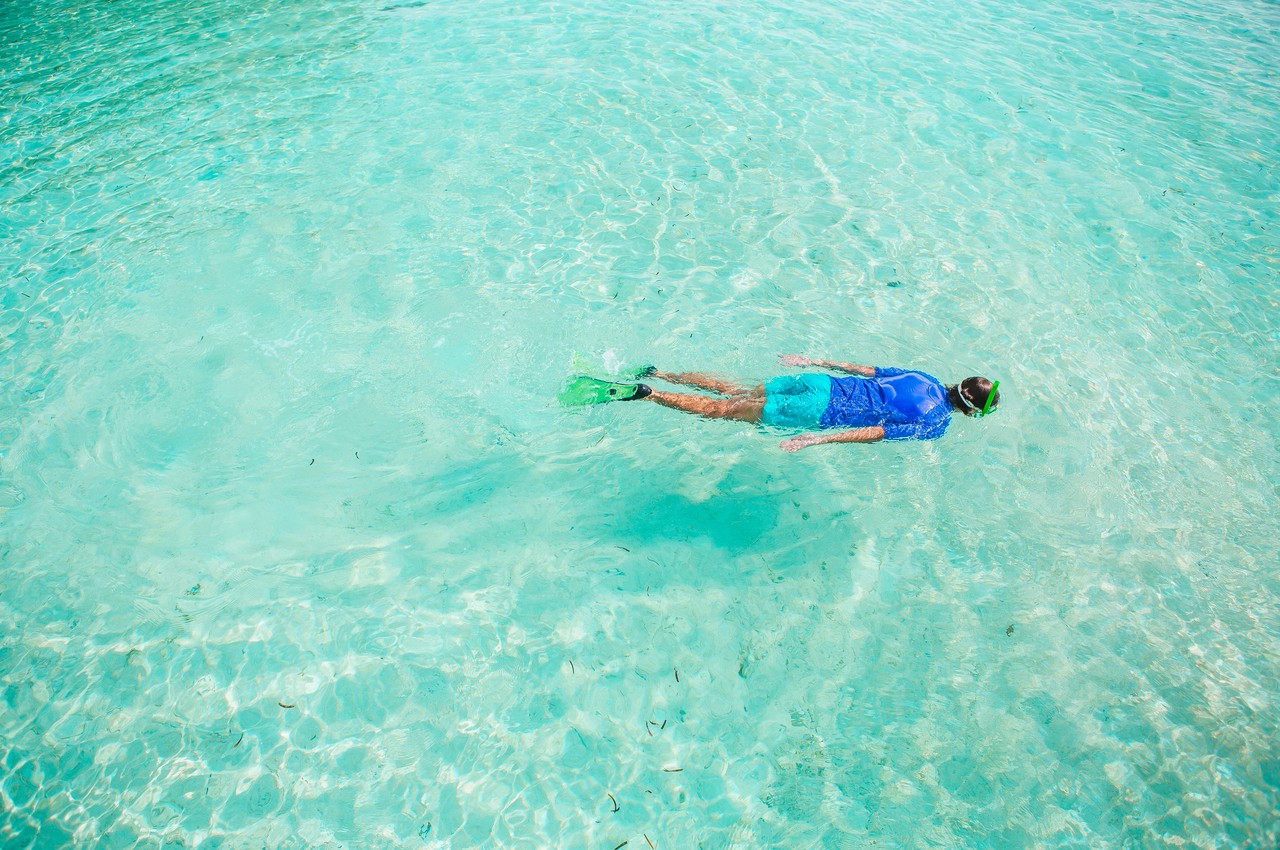
Serious snorkelers need more than pretty color, because they also need reefs close to shore, excellent visibility, and healthy marine life, and the U.S. Virgin Islands deliver on all three. Of those islands, St. John is my personal favorite for beginner snorkelers. Trunk Bay has a marked underwater trail with signs that identify the fish and coral species. The National Park Service snorkeling guide explains how to swim the trail safely and how to protect the reef while you do.
On a good day at trunk bay, you may spot parrotfish, spotted eagle rays, and sea turtles grazing in the seagrass beds nearby. The beaches on the island are protected as part of a national park, so they stay noticeably less crowded and less developed than resort corridors. To get there, most travelers fly into St. Thomas, take a short ferry from Red Hook to Cruz Bay on St. John, and then continue by taxi to the beach. I recommend arriving early, before excursion boats appear.
Bonaire and Curacao also offer excellent snorkel water, with fringing reefs that start only a few steps from shore and visibility that often stretches past eighty feet. Bonaire is famous for shore diving, and the small island of Klein Bonaire sits a quick boat ride off the coast with some of the clearest blue water I have experienced. Grand Cayman works well for snorkelers as well, since Stingray City and the reefs along the north side are a short boat ride away from Seven Mile Beach. If clear water and colorful fish matter most to you, these islands deserve serious consideration, and I have shared more spots in our guide to snorkeling in Aruba.
Islands That Give You Both
Some islands let you divide your days between still lagoons and lively reefs. Puerto Rico makes this especially convenient with nonstop flights from many US cities. For a calm swim, visit Flamenco Beach on Culebra, a short ferry or flight from the main island. Snorkelers can then spend a second day at the reefs near Fajardo.
The Dominican Republic offers tremendous variety as well. Punta Cana has long caribbean beaches with soft sand, and an offshore reef calms the shoreline in many spots along Bavaro. Down the south coast, Bayahibe and Saona Island add clear, shallow water with sandbars where you can stand waist deep far from shore. Most visitors reach Saona on a full day catamaran trip from Bayahibe, and I prefer smaller operators.
St Lucia takes a different approach, which is exactly why I love the island, since the beaches tend to be smaller and the sand is often golden or dark rather than bright white. But the calm bays tucked under the Pitons rank among the most gorgeous beaches I know, and the snorkeling right off Anse Chastanet is excellent. Allow approximately an hour of driving from Hewanorra airport to the Soufriere area, and choose St Lucia for scenery and romance rather than for wide white sand.
How the Caribbean Sea Side Changes the Water
Beaches facing the Caribbean Sea are usually calmer than beaches facing the Atlantic Ocean. The Atlantic side catches more wind and bigger swells. That means the same island can offer smooth, glassy water on one coast and turbulent surf on the opposite coast.
This is why I always ask which side of an island a resort sits on before recommending it. A beach in the caribbean that faces west or south often has the clearest and calmest water during the winter months. A bay beach tucked behind a rocky point also tends to stay protected from wind and waves.
Best Months and Sargassum Season
December through April brings dry weather, lower humidity, and dependable sunshine. However, winter storms in the north Atlantic can send swells toward some north facing coasts. Hurricane season runs from June through November, with the highest risk from mid August through October. Late April and May often deliver the ideal combination, with calm seas, warm water, and lower prices than peak season.
Sargassum is the brown seaweed that sometimes piles up on Caribbean shores, and the heaviest season usually runs from about April through August. East facing beaches, including parts of Punta Cana and the Mexican Caribbean, tend to collect the most seaweed. West facing beaches on Aruba, Bonaire, Curacao, and Grand Cayman see far less, which makes them safer bets for summer travel. Many large resorts now rake their beaches each morning, so I always ask about cleanup schedules before confirming summer reservations.
Resort and Room Tips for Better Water Days
If calm swimming matters most, ask for a room near the quietest section of the beach rather than the busy pool and bar area. Ground floor swim up rooms appear tempting, but a higher oceanfront floor often gives a better view of that blue water color shifting through the day. For snorkelers, choose a resort with its own house reef or free gear, so you can slip into the water before breakfast without booking a tour.
I also recommend checking whether a resort uses floating ropes or buoy lines to mark the swim area. Those lines separate boats and jet skis from swimmers. Finally, remember reef safe sunscreen and a long sleeve rash guard, because several destinations now prohibit sunscreens that damage coral.
My Quick Picks by Water Type
For calm water and soft sand, start with Turks and Caicos, Aruba, and Grand Cayman, while for snorkeling and marine life, look closely at St. John, Bonaire, and Grand Cayman. For a mix of both, try Puerto Rico or the Dominican Republic, and for dramatic mountain views over a beautiful beach, choose St Lucia.
Any of these islands can feel like the nicest island in the Caribbean if the water matches your vacation personality. That is the true secret to finding the best water in the Caribbean for your own trip. Consider your mornings in the water first, then select the island, the coast, and finally the resort that fits.
Find Your Perfect Water With Latitude 21 Travel
Choosing the right island becomes far easier with an advisor who has experienced the water firsthand. At Latitude 21 Travel, Sarah and our team have spent years sending couples, families, and friends to these shores. We will help you choose the island, the beach, the season, and even the side of the resort that suits your personality. Reach out to Latitude 21, and let us find the water you will remember long after you come home.