
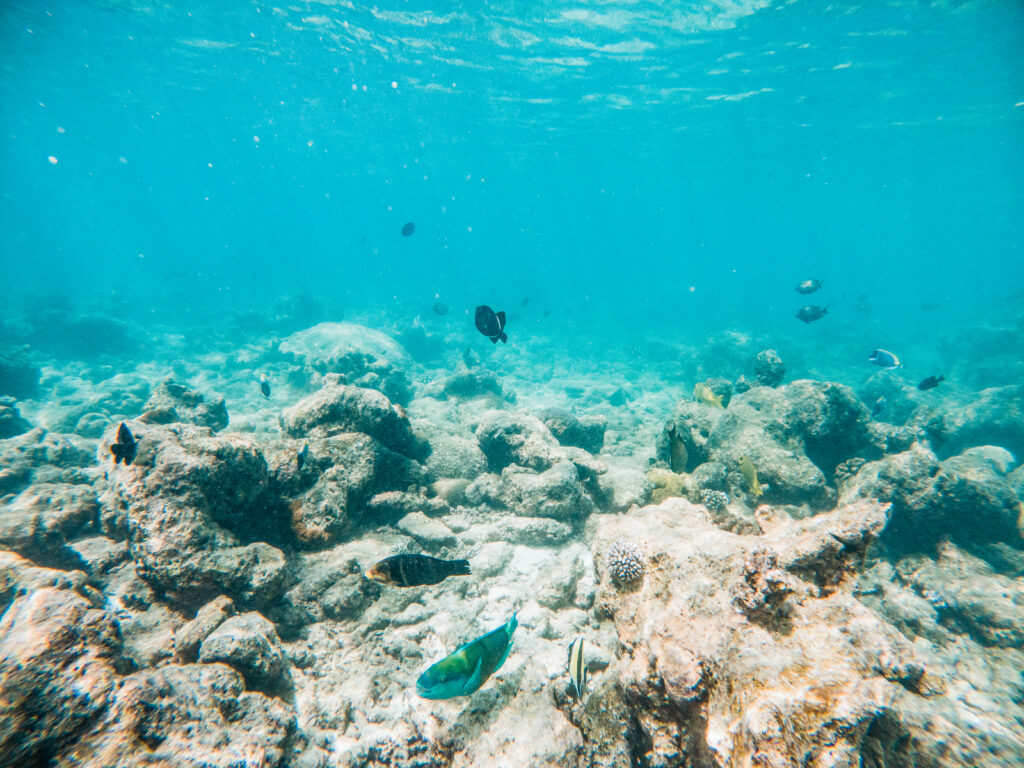
What Is There to See in Aruba? An Advisor’s Take
Clients booking their first trip to Aruba almost always ask us some version of the same question: what is there to see in Aruba beyond the pool at the hotel? The honest answer is that a lot of the island’s best experiences sit outside the resort strip. The reefs, the wilder east coast, the tucked-away coves, the roadside beach bars, the natural pools carved out of volcanic rock. Aruba is small enough to see properly in five to seven days if you plan a little.
The island splits roughly into two halves. The calm, protected west and south coasts are home to the beach clubs, high-rise hotels, and swim-friendly water. The rugged east and north coasts face the open Atlantic and give you the natural bridge, Arikok National Park, and the dramatic overlooks. For snorkelers, the western coast is where the magic happens, with clear turquoise waters, easy reef access from shore, and some of the best visibility in the southern Caribbean.
The Best Places to Visit in Aruba by Coast
When clients ask about the best places to visit in Aruba, we usually break the answer into three parts: the resort strip beaches, the snorkel-first beaches, and the landmarks worth a half-day of your time. Do a mix of all three across the week and the trip feels balanced. Skip any of them and you leave with a partial picture of the island. The good news is that Aruba is small enough that no beach, cove, or landmark is more than about 45 minutes from the airport, so a day trip between them is genuinely easy.
Palm Beach and the High-Rise Hotel Strip
Palm Beach is where most first-time visitors stay, and for good reason. It is the buzzing high-rise hotel strip along the northwestern coast, with a long white-sand beach lined by resorts, beach clubs, and casual restaurants. The water here is calm and swim-friendly, and every water-sport operator on the island seems to have a booth within a five-minute walk. Any beach in Aruba is public, so even if you stay elsewhere, you can walk into Palm Beach and rent a chair for the afternoon.
Palm Beach is not the best snorkeling on the island, but it is convenient. If you want to spend a day parasailing, jet-skiing, or booking a catamaran cruise, this is where those operators launch. It also has the widest range of dinner options within walking distance, which matters when you are tired and do not want to drive.
Eagle Beach: The Postcard White Sand Beach
Just south of Palm Beach sits Eagle Beach, which is consistently ranked among the best beaches in the world. It is wider, quieter, and backed by lower-rise resorts rather than high-rise towers. The famous fofoti trees, those leaning divi-divis, sit right on the sand and make for the most photographed backdrop on the island. Eagle Beach is where we send couples who want the classic postcard beach day without the busy strip.
The sand is genuinely soft, the water is that impossible turquoise blue, and the sunset from here is arguably better than from Palm Beach. Snorkeling directly off Eagle Beach is limited because the reef is farther offshore, but it is the beach for pure beach-time. Bring a book, rent a palapa, and disappear for a few hours.
Best Places to Snorkel in Aruba
Now for the part clients care about most on any snorkel-focused trip. The best places to snorkel in Aruba cluster along the northwestern and southern coasts. The reefs sit close to shore, the visibility on a calm day is 60 to 80 feet, and the fish life is a proper mix of tropical species, sea turtles, and the occasional ray. You can snorkel from shore at several of these spots without needing a boat, which is one of the reasons Aruba punches above its weight for great snorkeling.
The four spots we send clients to most are Boca Catalina, Arashi Beach, Mangel Halto, and Tres Trapi. Each has its own character, and we usually build at least two of them into a client’s week so you get variety rather than snorkeling the same reef every day.
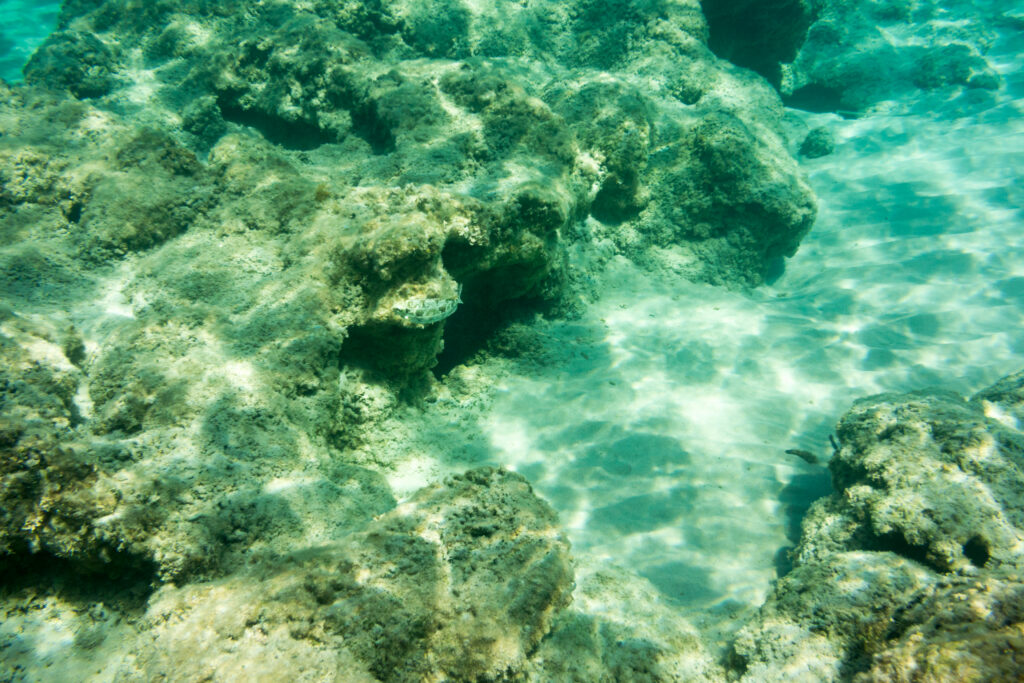
Boca Catalina and Arashi Beach
Boca Catalina is the classic. It is a small, sheltered cove on the northwestern tip near Malmok, with clear water, easy entry from a rocky beach, and a reef that sits close enough to shore that you can see the fish from the surface. Bring your own gear or rent from Palm Beach and drive up. Boca Catalina is one of the best snorkeling spots in the Caribbean that does not require a boat.
Arashi Beach sits just up the coast, near the California Lighthouse. It has a longer stretch of white sand, calm water, and its own accessible reef about 50 feet out. The visibility here is often even better than at Boca Catalina, and it is genuinely quieter because the drive keeps casual beachgoers away. Combine both in a single morning: park at Arashi, snorkel there, walk or drive the short distance to Boca Catalina, snorkel again, then lunch at one of the beach bars nearby.
Mangel Halto and Tres Trapi
Mangel Halto is a different kind of snorkel experience. It sits on the southeastern coast, tucked behind a mangrove-fringed lagoon. The water is calm, protected, and lined with root systems that make for surreal underwater viewing. Sea turtles are common here, along with schools of small fish that ride the current through the mangroves. If you have ever wanted to snorkel around mangroves rather than open reef, Mangel Halto is the reason to drive south.
Tres Trapi is another local favorite that has quietly become one of the most talked-about snorkel spots on the island. It is a tiny beach with three stairways leading down to the water, hence the name, and it is one of the most reliable places to swim with sea turtles in Aruba. Go early, before 9 am, both to beat the crowd and to catch the turtles feeding in the sea grass. Bring your own gear because there are no rental stands on site. Tres Trapi has become a bit of a phenomenon on social media, so it does get busy midday, but it earns the hype.
Baby Beach and the Southern Coast
Down at the far southern tip of the island, Baby Beach is the calmest and shallowest beach in Aruba. It is a horseshoe-shaped lagoon with warm, waist-deep water that stretches nearly to the reef line. Baby Beach is where families with young kids go, but it works equally well for adults who want a lazy beach day with easy swimming. Snorkeling directly off Baby Beach is modest, but the outer edge of the lagoon has more marine life if you can swim that far.
Combine Baby Beach with a lunch stop at Zeerovers for fresh fried fish, a walk through nearby Rodgers Beach, and a stroll through the San Nicolas mural district on the way back. This full-day loop down the southern coast is one of the more underrated experiences on the island, and it gives you a completely different feel from the busy northwestern strip.
Beyond the Beaches: Arikok, Natural Pools, and Landmarks
The beaches are the headline, but not the whole story. Arikok National Park covers a huge chunk of the eastern side of the island and rewards a full day. The main attraction inside the park is Conchi, the sea-fed rocky basin known as the natural pool. There are also a couple of smaller natural pools along the same coast worth visiting if you have time. Getting to them involves a bumpy drive or a guided UTV tour, but the reward is a swim in a protected basin surrounded by wild Atlantic waves crashing just yards away.
Outside the park, the natural bridge, the gold mill ruins, and the California Lighthouse round out the landmark tour. Combine all three into a loop day and you have covered most of the non-beach highlights on the island. For clients on a snorkel-first trip, we usually build one land-based day for these landmarks and dedicate the rest of the week to the water.
Booking Snorkel Tours and Planning Your Beach Day
If you want to snorkel deeper reefs, the SS Antilla shipwreck off the northern coast is one of the largest wrecks in the Caribbean and requires a boat to reach. Half-day snorkel tours run out of Palm Beach and typically include the shipwreck, a stop at Malmok Reef, and sometimes Boca Catalina. Full-day snorkel tours add lunch on board and a third or fourth reef stop. In high season these tours fill up fast, so we book them for clients before they land rather than let them chase last-minute availability.
A quick advisor note on booking. We do not chase affiliate links from generic listing sites when we book Aruba tours. We work directly with the operators we know, which means we can confirm boat condition, crew size, and menu before the trip. That is one of the small advantages of working with a real travel advisor rather than a search result. On the beach day side, plan for early arrivals if you want a shaded palapa, bring reef-safe sunscreen, and pack water because the trade winds dehydrate you faster than the temperature suggests. The best time to visit for calm water and top snorkeling visibility is typically January through May, with April and May being our favorite months for the combination of weather and value.
For an official overview of every beach and cove on the island, the Aruba Tourism Authority’s Beaches and Coves page catalogs the whole list with maps and access notes. When you are ready to actually plan a trip that combines snorkeling, land tours, and a comfortable base, our cruise vacations team can also pair Aruba with a broader southern Caribbean itinerary if you want to combine it with Curaçao or Bonaire.
Conclusion
The best places to visit in Aruba are not a secret list, but the order you visit them in makes the difference between a great trip and a forgettable one. Start with a lazy day on Eagle Beach or Palm Beach to shake off the travel. Then move into the snorkel days. Boca Catalina and Arashi Beach for the reef-from-shore experience, Mangel Halto for the mangroves, Tres Trapi for the turtles. Build in a full day at Baby Beach and the southern coast for the calmer, quieter side of the island. Add a land day for Arikok, the natural pool, and the California Lighthouse. That mix, spread across five to seven days, is the itinerary we build for snorkel-focused clients over and over. Aruba is not the flashiest Caribbean island, but for a trip built around clear water, close-in reefs, and a slower, more consistent pace, it is one of the most consistently satisfying destinations we book.