
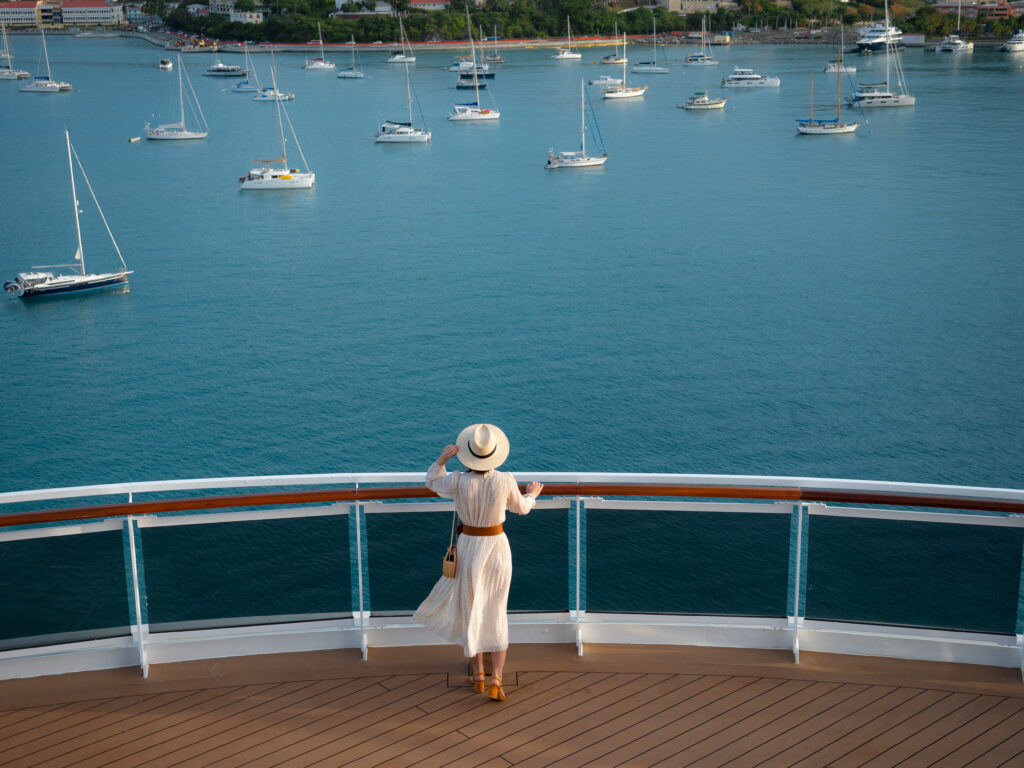
Why a Europe river cruise still feels like the best way to see the continent in 2026. Routes, lines, packing tips, and where real value lives onboard.
Why I Keep Recommending River Cruises in Europe
I have routed enough travelers through Europe to have a strong opinion on how to see it. Trains feel romantic until you drag a suitcase up a station staircase in the rain. The autobahn is a thrill until you hit a city center with no parking spot in sight. River cruises in Europe quietly solve both problems and add a few things you did not know you wanted.
You unpack once. The continent comes to you. The wraparound windows on the modern fleet of river cruise ships turn the journey itself into the main event. Most travelers do not realize how fundamentally different that rhythm feels until they live it for a full week.
When people think about exploring Europe by water, many imagine Viking first. Viking runs a strong operation, but it is far from the only line worth your time. Today’s european river cruises include Avalon Waterways, AMA Waterways, Eclipse, and Emerald cruises. Each one delivers a different experience on the water, and the differences matter more than the marketing brochures admit.
Cruises in europe today flex more than ever. Most lines now include meals, wine, and shore trips in the upfront fare. That all-inclusive structure is one of the biggest reasons the category has grown so fast over the past few years. You stop thinking about money the minute you board, which changes the texture of the whole trip.
The Best Time to River Cruise in Europe
The best time to river cruise in europe depends on what you came for. Spring runs from April through May. You get tulip season in the Netherlands. Cherry blossoms line the Rhine. The wine regions wake up after winter and the first warm afternoons start to feel earned.
The light goes soft. The crowds remain manageable. The temperatures suit long walks on shore excursions without anyone wilting. Summer brings festivals, long evenings on the sun deck, and the highest demand on any rhine river cruise trip you can name. Book summer sailings the moment they open.
Autumn is my underrated favorite. Harvest season turns the wine regions into a working backdrop. The foliage along the Rhine and Danube starts to color up. The crowds thin out and the weather still holds for the most part. Wine releases stack up at every port and the prices for second guests tend to soften.
December has its own category entirely. The Christmas market sailings are popular for a reason. Glühwein at the dock in a medieval town has the kind of fairy tale quality that no land trip really matches. The cabins stay warm. The decks stay festive. You finish the week with a couple of pounds gained and zero regrets.
The Routes Worth Your Attention
The Rhine remains the most popular gateway for first-time travelers. The reason is the castles vineyard scenery between Mainz and Koblenz. You sail past terraced vines, hilltop fortresses, and small towns that look unchanged for centuries. The Middle Rhine corridor earns its UNESCO status the moment you see it from a deck chair with a glass of Riesling.
Along the way you will see roman ruins around Mainz. The old Roman walls still sit at the edge of the city. The medieval architecture came centuries later and stands right beside them. The visual layering tells a thousand years of European history in a single afternoon.
The Danube delivers a different mood. The route runs Vienna to Budapest with cities that anchor European music and history. Wachau Valley vineyards and Bratislava’s old town sit in between. The Danube tends to attract travelers who want a deeper cultural arc than the Rhine offers, and the dinner conversation onboard skews that direction too.
The Seine is the art history route. Paris is the embarkation point. The river carries you past landscapes that van gogh and Monet painted with their own eyes. The eiffel tower watches from the rearview as you head toward Normandy. The river cruises offer here lean heavily into Impressionist sites, and the curated walking tours around Giverny earn the trip on their own.
For something genuinely different, the Rhône River in southern France winds through Provence, Roman ruins at Arles, and the Burgundy wine regions. Portugal’s Douro River wins for travelers who want terraced vineyards rising straight from the water and bottles of port wine waiting at every quinta along the way. The Douro runs smaller, quieter, and more rural than the major German routes. The food alone earns the trip.
What the Different River Cruise Lines Offer
Picking a river cruise line comes down to cabin design, included amenities, and how much you want the schedule curated for you. Avalon Waterways pioneered the panoramic suite ship layout where the bed faces a wall of windows that open onto an open-air balcony. The first morning you wake up with the river scrolling past your bed, you understand why that design choice matters.
AMA Waterways leans wellness, with a strong fitness program, bicycles available at every port, and twin balcony cabins. Eclipse and Emerald cruises offer smaller-ship experiences that can reach upper sections of the Douro and other tighter waterways that larger ships physically cannot navigate. The smaller footprint comes with quieter dining rooms and faster disembarkation at port.
I have sailed enough of these lines to say the river cruise experience varies more by ship than by brand. A new Avalon Suite Ship feels meaningfully different from an older one. The same holds true within the AMA fleet. Always check the launch year of the specific hull before you book, not just the brand name.
River cruise ships in this category typically carry between 100 and 200 guests. That keeps the onboard atmosphere small and the embarkation lines short. You get to know the crew by name within a couple of days, which sets the tone for the whole week. The captain usually joins guests for dinner at least once per sailing, and most lines run a galley tour for anyone curious about how the food gets out so fast.
Affordable European River Cruises and Where the Value Lives
Affordable european river cruises are easier to find than the marketing usually suggests, especially in shoulder season. The all-inclusive structure on most lines covers your cabin, all meals, wine with dinner, port charges, most shore excursions, and onboard entertainment. That alone removes most of the surprise costs that pile up on a land itinerary.
Compare that against the equivalent land trip. You would book hotels in Amsterdam, Rüdesheim, and Strasbourg. You would add train tickets and restaurant meals on top. You would carry your bags through three different stations and check in and out of three different lobbies. The per-day math usually favors the cruise, and the friction math favors it even harder.
The river cruises offer plenty of room for negotiation when you book early. Bonus shipboard credit, free airfare promotions, and reduced fares for second guests show up regularly. Booking europe river cruises 2026 sailings now means access to better cabin categories and the best dates before the prime sailings sell through. The cabins on the upper deck always sell first.
For more on getting the most value from a sailing, see our river cruise planning notes on the Latitude 21 blog. The shoulder-season math gets even better when you stack early-booking credits, and a good agent can usually find a promo that the website does not advertise.
Packing List for River Cruise in Europe
A practical packing list for river cruise in europe boils down to layers and good shoes. The dress code on board reads country club casual at dinner. That translates to slacks and a collared shirt for men and a sundress or equivalent for women. One blazer per traveler covers the captain’s dinner without taking up much space.
During the day you walk cobblestone streets and dirt vineyard paths on shore excursions. Walking shoes matter more than anything fashionable. Bring a rain shell too. The Rhine and Danube get sudden showers in shoulder season and the rain rarely lasts long, but it ruins a walking tour if you are not ready for it.
A compact crossbody bag for port days helps a lot. So does a small power adapter, a refillable water bottle, and a light scarf. Most ships supply hairdryers, bathrobes, and slippers in the staterooms. You can leave those at home and save the space for layers you will actually use.
Cabin space runs moderate, not generous. Packing light pays off in the closet and at the end of the trip too. The crew handles your bag once on embarkation and once on disembarkation, so heavy bags become your problem the whole rest of the week. A medium soft-sided suitcase fits the under-bed storage on most of the new ships and beats a hard shell every time.
Life On Board a River Cruise Ship
The rhythm of the day on board is easy to like. Breakfast runs long and the coffee is genuinely good, which matters more than you would think. The morning briefing covers the day’s port and the optional walking tour. By mid-morning the ship docks and you head off exploring. The major river cruise lines include most shore excursions in your fare. You pick your pace and your interest.
Lunch happens back on the ship or at a local spot in town. Afternoons run on your schedule. Some travelers nap while others head out for a vineyard tour or a museum visit in town. The bar opens for sundowners as the ship pushes off again. Dinner is a fixed seating in most cases. The wine pours come generous. The food leans regional and the menu shifts with the country you are sailing through that day.
Evenings stay quieter than ocean cruises. There is no casino and no late-night dance floor competing for attention. A pianist plays in the lounge. Some nights a local act comes aboard for an hour. By ten most guests head back to their cabins. The next port is often only a few hours away and the early-morning light is part of the show.
One last note on river cruise ships. The crew runs small. The service feels personal. By day three the bartender knows your drink. The waiters know if you like sparkling water at dinner. That kind of touch does not happen on a big ship. It is why repeat guests on these european river cruises tend to book the next one before they leave the current one. The loyalty discounts add up fast.
Conclusion
If I had to point a first-time traveler toward a single way to see Europe with the least friction and the most reward, it would be a river cruise. The combination of waking up in a new town, walking off the ship into the center of it, and being back on the water by sunset is a hard rhythm to beat. You sleep well and you eat better than you do at home, and the rhythm carries over into the week after the trip. You arrive home with photos that look nothing like everyone else’s.
The most scenic river cruises in europe earn that label because the scenery is the point, not a backdrop. The Rhine castles, the Douro vineyards, the Seine’s Impressionist light. You get all of it from a deck chair with a coffee in hand. The big inclusive fare keeps the trip simple. The intimate crew keeps the week warm.
Lock in europe river cruises 2026 sailings now if you want the cabin you actually want. The river is patient. The booking calendar is not. Book early, book the shoulder season, and let Europe come to you instead of the other way around.