
Is Aruba in the Hurricane Belt? The Weather Question Answered
Ask any Latitude 21 advisor which Caribbean island they book most for hurricane-nervous travelers, and the answer is almost always Aruba. So, is Aruba in the hurricane belt territory or not? The short answer is technically no. Aruba sits at roughly 12 degrees north latitude, well south of the main Atlantic hurricane track. It is part of the ABC Islands, along with Bonaire and Curaçao, tucked just off the coast of Venezuela in the far southern Caribbean.
The formal Atlantic hurricane season runs from June 1 to November 30. During that stretch, storms tend to form farther north and east, then swing up toward the eastern Caribbean, the Bahamas, and the US mainland. Aruba does get affected by outer bands from time to time, and direct hurricane strikes are rare but not impossible, the most notable modern example being Hurricane Ivan’s brush in 2004. Still, in an average year, Aruba sees a fraction of the tropical weather that hits Puerto Rico, the Virgin Islands, or Jamaica.
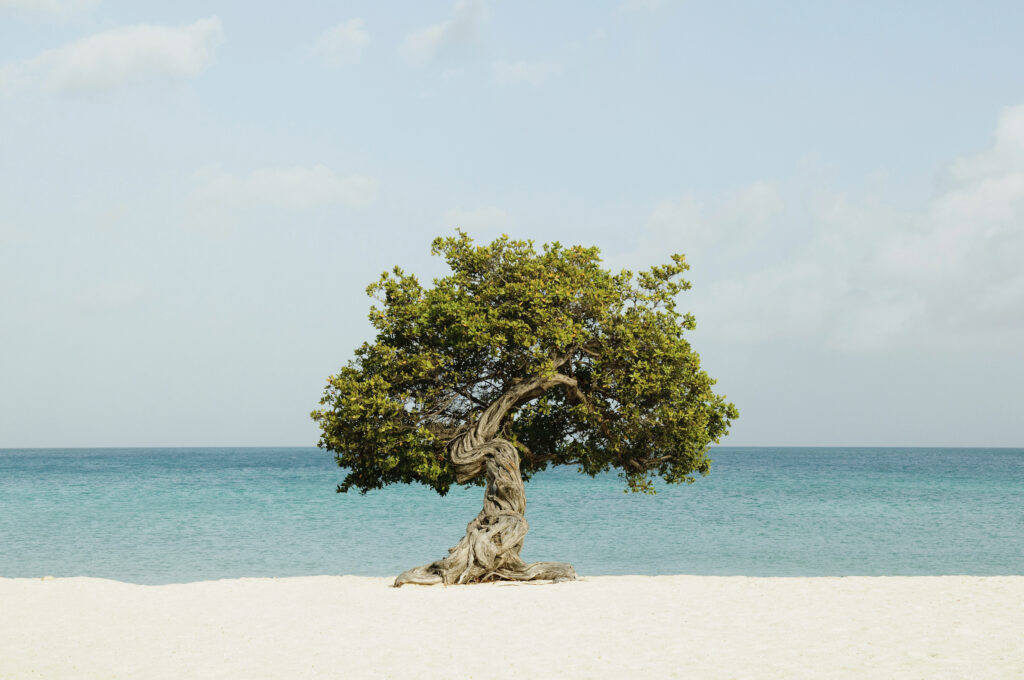
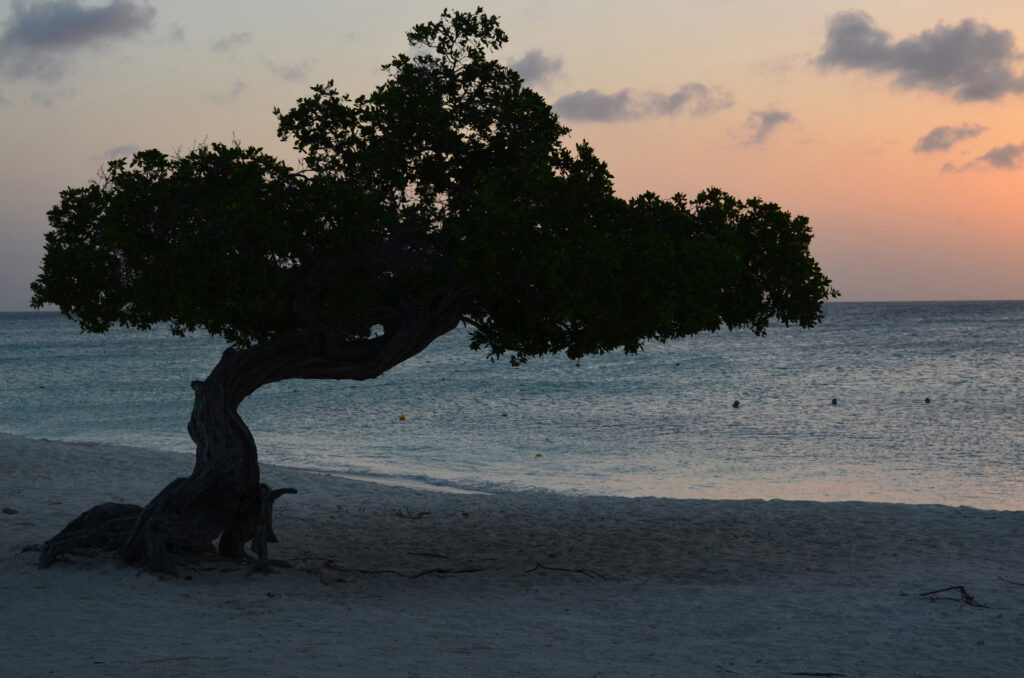
What Aruba does get consistently is strong trade winds from the east year-round. Those winds keep the island cooler than the humidity would suggest, and they keep the mosquitoes down. They also shape the entire feel of the island, from the leaning divi-divi trees on Eagle Beach to the wild, wave-battered east coast. For most travelers, that combination of low hurricane risk and steady trade winds is what makes Aruba one of the safest weather bets in the Caribbean islands.
When to Visit Aruba: The Best Months
Because Aruba largely sits outside the hurricane belt, there is no truly bad time to visit Aruba. High season runs from mid-December to mid-April, when Northeast US and Canadian travelers are escaping the cold. The weather is dry, sunny, and warm, and the island is at its busiest. Prices are also at their peak, and the best rooms book up months in advance.
Our favorite months for value and vibe are May, June, early September, and November. You get the same sun, temperatures in the mid-80s Fahrenheit, and dramatically better rates. Late summer is technically hurricane season for the wider Caribbean, but Aruba’s location keeps direct impacts rare, so a September trip here is a much safer weather bet than one to Jamaica or the Bahamas in the same window. If you have the flexibility, a shoulder-season visit is the smartest planning move for a good time on the island.
Aruba What to See: The Must-Hit List
Before we get into the itinerary, here is the short version of Aruba what to see. Eagle Beach is the classic postcard beach, wide and calm and consistently ranked among the best in the Caribbean. Palm Beach is the busy, hotel-lined strip where most of the water activities operate. Arikok National Park covers the wilder east coast side of the island, home to the natural pool, cave paintings, and dramatic cliffs. The California Lighthouse anchors the northern tip with the best sunset view on the island. Baby Beach on the southern end is the shallow, warm-water beach ideal for families. The natural bridge and the gold mill ruins on the north coast round out the landmark stops.
The rest of the trip is water activities, dining, and slower beach time on the many beaches in Aruba worth a return visit. If you hit those major stops across five days, you will have seen more of Aruba than most first-time visitors manage. Now let us put it in order.
Day One: Arrival, the Love Sign, and Eagle Beach
Land at Reina Beatrix International, clear customs, grab your rental car or transfer, and stop at the Love Aruba sign along the way to your hotel. It is a 10-minute photo stop that gets your trip started and takes the edge off the travel-day fatigue.
Check in, unpack, and head straight for Eagle Beach. The soft sand and the divi-divi trees are exactly the visual reset you need after a long travel day. Spend the afternoon in the water, watch the sunset from the sand, and eat somewhere close to the hotel for dinner. Aruba is small enough that you do not need a big first-day plan. Save the ambition for day two.
Day Two: Palm Beach and a Sunset Sail
Day two is Palm Beach and its water activities. Rent a jet ski or paddleboard, book a snorkeling half-day to the SS Antilla shipwreck, or just settle in with a book and a beach chair. Palm Beach is where the operators cluster, so anything you want to do on the water on this part of the island starts here.
In the late afternoon, board a sunset catamaran cruise. It is the single most-recommended experience our clients bring home rave reviews about. Two hours on the water with dinner and drinks, sailing past the California Lighthouse as the sun drops, and back to shore around 8 pm. Rather than chase affiliate links from generic booking sites, we book directly with the operators we know keep their boats maintained and their crews on top of things. That is one of the small advantages of working with a real travel advisor rather than gambling on a search result.
Day Three: Full Day in Arikok National Park
Day three is your full day of adventure. Arikok National Park covers a huge portion of the island, roughly a fifth, and takes real time to explore properly. Book a guided UTV or Jeep tour, which handles both the storytelling and the rough interior roads, or drive yourself in a 4×4 if you are comfortable with washboard tracks and steep descents.
The main stops inside Arikok are the natural pool, a sea-fed rocky basin protected from the open Atlantic by volcanic rock, and the cave complexes at Fontein and Quadirikiri. The natural pool involves a 15-minute walk down from the parking area and rewards you with one of the most unique swimming spots in the region. Add in a stop at the natural bridge and the nearby gold mill ruins from the 19th-century Aruban gold rush, both of which sit just outside the park on the east coast, and you have a full day itinerary that shows the wild side of the island most beach-only visitors never see.
Day Four: Baby Beach and the East Coast
Day four heads south to Baby Beach, on the far southeastern tip of the island near San Nicolas. The drive takes about 45 minutes from Palm Beach, and it is worth it. Baby Beach is a shallow, protected lagoon with warm, calm water. It is ideal for families with young kids, but also lovely for adults who want a slow, wade-in beach day away from the hotel strip.
Combine Baby Beach with a stop at Rodgers Beach next door, lunch at Zeerovers for fresh fried fish caught that morning, and a wander through the San Nicolas mural district on the way back. San Nicolas has quietly become one of the more interesting parts of the island culturally, with a growing street art scene and a genuinely different vibe from Oranjestad. This side of the island rewards curiosity.
Day Five: California Lighthouse, Happy Island, and Departure
On your last full day, ease into it. Sleep in, walk the beach at your hotel, and take a slow lunch. In the afternoon, drive out to the California Lighthouse. It sits at the northwestern tip of the island with views back down the coast that are the best on Aruba. If timing allows, take the tender out to Happy Island, a private floating platform anchored off Palm Beach where you can spend a few hours with a cocktail and a swim ladder. Book a day pass ahead of time in high season, because capacity is limited.
Finish the trip with dinner at one of the caldera-view or beachfront restaurants along the northwestern coast, then head to the airport the next morning. Reina Beatrix has US Customs pre-clearance, which means you land back in the US as a domestic passenger. It is one of the small logistical bonuses of an Aruba trip that most people do not realize until their first visit.
Building a Longer Aruba Itinerary
If you have seven or ten days, we usually add slower beach days rather than more sightseeing. Aruba rewards a relaxed pace, and clients who cram too many activities into a week tend to leave more tired than refreshed. A good addition for a longer stay is a day at Boca Catalina for snorkeling on the northwestern coast, an afternoon of horseback riding along the beach, a spa day, and a second sailing outing on a smaller catamaran or private charter.
Longer stays also open up the possibility of hopping to the other ABC Islands, Bonaire and Curaçao. Both are short flights, both are more nature-focused than Aruba, and both give you a very different Caribbean experience. For clients on their second or third Aruba visit, we sometimes suggest splitting the trip between two of the ABC Islands. It is not the classic first-timer move, but it makes for a memorable second look.
Practical Notes: Water Activities, Adult-Only Stays, and Booking Ahead
A handful of things we tell every client before they go. Book your water activities before you land, especially the sunset sail. High season fills up. Rent a car for at least two days if you want to see the east coast, Baby Beach, or Arikok on your own schedule. Bring water shoes for the natural pool and the rockier beaches. And be honest with yourself about what kind of stay you want, because Aruba’s hotel scene splits into two clear camps.
Palm Beach is high-rise, energetic, and family friendly. Eagle Beach is lower-rise, quieter, and where most of the top adult-only resorts sit. Bucuti and Tara Beach Resort on Eagle Beach is the classic adult-only choice, and Aruba Ocean Villas over on the southeast coast in Savaneta is a smaller boutique option with actual overwater bungalows, one of the few in the Caribbean. Matching the right neighborhood to your travel style is the single decision that shapes the whole trip.
For a deeper dive on where hurricanes actually form and travel, the NOAA National Hurricane Center’s Tropical Cyclone Climatology page maps typical storm tracks by month across the Atlantic and shows why Aruba sits mostly out of the traditional belt. When you are ready to actually plan the trip, our family travel team can pair you with a resort that fits the ages traveling and pre-book the tours worth locking in before you land.
Conclusion
The two big questions about Aruba, is Aruba in the hurricane belt territory and what should we actually do while we are there, come with reassuring answers. Aruba’s location in the far southern Caribbean puts it largely outside the main hurricane track, which is why our clients book it more often than almost any other island for peace-of-mind winter and summer travel. And the trip itself, split roughly between beach days on Eagle Beach and Palm Beach, a full day in Arikok National Park with the natural pool, a drive down to Baby Beach and the east coast, and a sunset from the California Lighthouse, hits the highlights without feeling rushed. Add in a sunset sail, a stop at Happy Island, and a couple of slow beach bar afternoons, and you have the Aruba itinerary we build for first-timers over and over again. It works because the island is small enough to see properly in a week and interesting enough to make you want to come back.