
Why the Passport Question Comes Up on Every Booking
Do you need a passport for a Cancun trip? Planning tends to hinge on it, and yes, you do. Here is the full answer, plus how the Cancun seaweed season affects your trip to Cancun and Riviera Maya beaches.
Most first-time visitors to Cancun underprepare on the two questions that determine how the trip actually goes. They assume a passport card will work at the airport and find out at the gate that it will not. They book a June honeymoon at the height of sargassum season and discover the beach smell that no resort brochure mentions. Both are avoidable with a little upfront planning, and both come up on almost every Cancun booking we handle at Latitude 21.
Do You Need a Passport for Cancun: The Short Answer
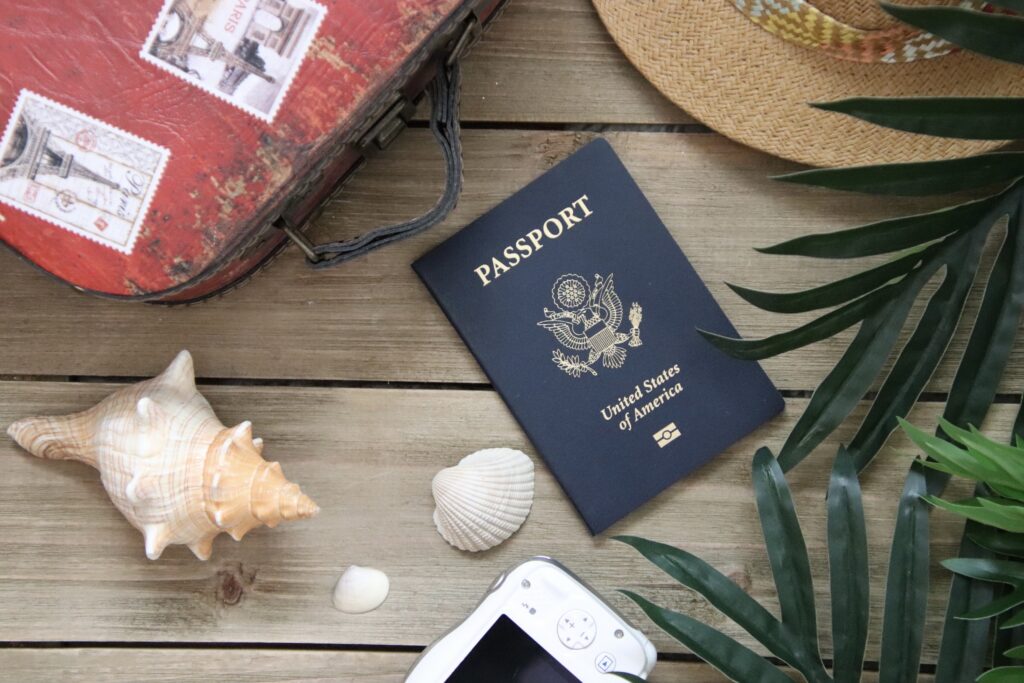
The short answer is yes. Any US citizen flying into Mexico needs a valid passport book, not a passport card. The passport card works at land and sea borders like a Baja cruise or a drive across from Texas, but it does not work at the airport. Cancun International is the second-busiest airport in Mexico, and the immigration line runs on a strict document check. Show up with only a passport card and the airline will deny boarding at your US departure gate before you ever leave home.
Make sure your passport is valid for at least six months from your return date. Mexico does not always enforce the six-month rule strictly, but some airlines do, and the last thing anyone wants at check-in is a document dispute. If your passport is within six months of expiration, renew it before booking.
Do You Need a Passport to Go to Cancun Mexico
To answer the longer version of the question, do you need a passport to go to Cancun, Mexico from the United States by air, again the answer is yes. Mexico requires all foreign air arrivals to carry a valid passport book. Once you arrive in Mexico, immigration will scan the book, stamp the Forma Migratoria Multiple (FMM tourist card) that came with your flight, and hand it back. Keep the stamped copy with you until you leave, because it functions as your exit permit at the airport.
Children need their own passports regardless of age. Infants and toddlers flying to Cancun need a book too. If you are traveling with kids and one parent is not with you, some carriers and Mexican immigration officers ask for a notarized consent letter from the absent parent. That step is not always enforced, but it is worth having in case an agent asks.
Cancun Seaweed Season: What the Sargassum Actually Does
The other question we handle constantly is timing. The Cancun seaweed season, more technically the sargassum season in Cancun, typically runs from April through October, with the heaviest weeks usually falling in May, June, July, and August. Some years are worse than others because the amounts of sargassum drifting west across the North Atlantic and Sargasso Sea vary depending on ocean currents, water temperature, and nutrient loads farther offshore. When the seaweed does arrive along the Cancun and Riviera Maya coastline, it can pile up on the beaches quickly and produce the pungent smell of decomposing plant matter that surprises first-time visitors.
To be clear, sargassum is not dangerous. It is a natural brown seaweed that provides habitat for open-ocean sea turtles and small marine life during its migration phase. It just looks and smells unpleasant when it accumulates on shore. Most higher-end resorts run daily beach cleaning crews and use floating booms offshore during peak weeks, which keeps most of the sargassum off their direct beach frontage even during the worst stretches.
The Sargassum Monitoring Network and Real-Time Reports
The best planning tool during sargassum season is the sargassum monitoring network run by the Mexican government and academic partners in Quintana Roo. The network publishes real-time color-coded maps for every stretch of coastline in the Mexican Caribbean, from Playa Delfines in the Hotel Zone all the way down through Tulum. Green means the beach is clean, yellow is light sargassum, orange is moderate, and red means heavy accumulation. Checking the map a day or two before your morning beach plan saves a lot of frustration during peak weeks.
Advisor tip. Build flexibility into your beach days rather than locking every morning to one strip. If your resort’s beach is orange or red one morning, hop a ferry to Isla Mujeres for the day, since the leeward side of the island typically stays much clearer because the sargassum blows the other direction.
Hotel Zone and Isla Mujeres: Where Sargassum Hits Hardest
The Hotel Zone in Cancun sits along the east-facing coast that catches the sargassum head-on when it drifts in. Playa Delfines and the southern end of the Hotel Zone tend to see the heaviest accumulation during peak weeks. The Riviera Maya to the south catches the same seaweed, but many resorts down there have longer beach strips and rotate guest activity to the cleaner sections.
Isla Mujeres, especially the northern tip around Playa Norte, tends to stay cleaner because of the island’s geography. If you are booking during peak sargassum weeks and want the calmest beach experience, we send more clients to Playa Norte than anywhere else on the map. It is a short ferry ride from Puerto Juarez and pairs well with a lunch stop at one of the palapa restaurants along the sand.
What to Do on a Seaweed Day: Mayan Ruins and Boat Trips
A sargassum-heavy day is not a lost day. This is a good moment to head inland or offshore. The archaeological sites of the Yucatan reward the drive. Chichen Itza is the headline, roughly two and a half hours from Cancun, and combining the Mayan ruins with a cenote swim on the return is one of the best full-day trips in the region. Tulum’s clifftop Mayan ruins are closer, about 90 minutes south, and pair with a beach afternoon at nearby Akumal where the water temperature stays warm even during breezy days.
The other seaweed-proof option is getting on a boat. A private catamaran day to Isla Mujeres for snorkeling and lunch, or a small-group trip out to swim with sea turtles in Akumal, uses the open water rather than the shore. Clients regularly tell us the boat day ends up being the trip highlight during heavy sargassum weeks.
When to Book and Practical Notes
If your dates are flexible, aim for December through March. That window sits outside sargassum season and outside hurricane season, and the beaches along the Mexican Caribbean look their bluest under low-humidity light. May and November are the shoulder months where you take some sargassum risk but pay meaningfully less. July and August have the warmest water temperature but the heaviest seaweed accumulation.
A few other practical notes for anyone planning to arrive in Mexico this year. Photocopy your passport and keep the copy separate from the original. Bring US dollars for tips and small vendors, though the peso is preferred inland. Cell service is strong in the Hotel Zone. Download offline maps if you plan to drive to inland archaeological sites. Book any airport-to-resort transfer through your travel advisor rather than negotiating with a taxi at the arrivals curb, where prices are inflated.
For the definitive US government answer on documents needed to enter Mexico, the US Department of State Mexico country information page is the official source. For planning a longer Cancun and Riviera Maya itinerary that pairs the Hotel Zone with the quieter southern coast, our Secrets Tulum Resort and Beach Club page is a solid starting point on the boutique end of the region.
Conclusion
Two practical questions, two clear answers. Do you need a passport? Cancun and Mexico trip planning both require a valid passport book no matter your age. The Cancun seaweed season runs April through October, with the sargassum monitoring network posting real-time maps that make it easy to check conditions before every beach day. Book the Hotel Zone if you want energy and a resort with active beach cleaning. Add an Isla Mujeres day at Playa Norte where sargassum stays lighter. Build in one Mayan ruins excursion to Chichen Itza or Tulum. Bring the passport, check the seaweed map, and the trip to Cancun and Riviera Maya rewards a little upfront planning more than almost any Caribbean destination we book.