A Continent Built for Exploration
South America pulls travelers in with scale and mystery. It holds jungles, mountains, and coastlines that feel untouched and powerful. Many people connect this region to the 7 natural wonders of the world because so many landscapes feel larger than life. From the Pacific coast to the heart of the Amazon, adventure waits at every turn.
Travelers often ask about the best time to visit South America because seasons change quickly across regions. Timing matters when chasing wildlife, clear skies, and safe travel conditions. Those planning far south also consider the best time of year to visit Patagonia, where weather defines the experience.
Peru: Where Wildlife and Legends Meet
Peru stands at the center of South American adventure. Its geography creates space for rare species and dramatic terrain. When people search for peruvian animals or peruvian wildlife, they often picture rainforests and mountains filled with life.
The list of animals that live in Peru is long and surprising. Travelers encounter everything from birds and reptiles to mammals found nowhere else. Questions like what animals are in Peru or animal in Peru lead travelers into stories of survival and adaptation. Many native animals in Peru thrive because large areas remain protected.
Animals Indigenous to Peru
Some animals native to Peru have become symbols of the country. The spectacled bear lives in cloud forests along the Andes Mountains. It remains shy and elusive, which adds to its mystery. The cock of the rock stands out with bold color and dramatic courtship displays, making it a favorite among wildlife watchers.
Travelers exploring the Peruvian Amazon may also learn about the pink river dolphin, which moves quietly through winding rivers. At clay licks, animals gather to consume mineral rich soil, offering rare viewing moments. These scenes explain why travelers search for animals indigenous to Peru and animals native to Peru with such curiosity.
Danger and Respect in the Wild
Adventure comes with risk. Some travelers ask about dangerous animals of Peru before heading into the jungle or mountains. Big cat species roam remote areas, along with snakes and insects that demand caution. Local guides help travelers understand where animals live and how to respect their space.
Learning about the peru famous animal often leads to deeper appreciation for conservation. Protected national parks and national reserves allow wildlife to survive while offering safe access for visitors.
Iconic Landscapes of Peru
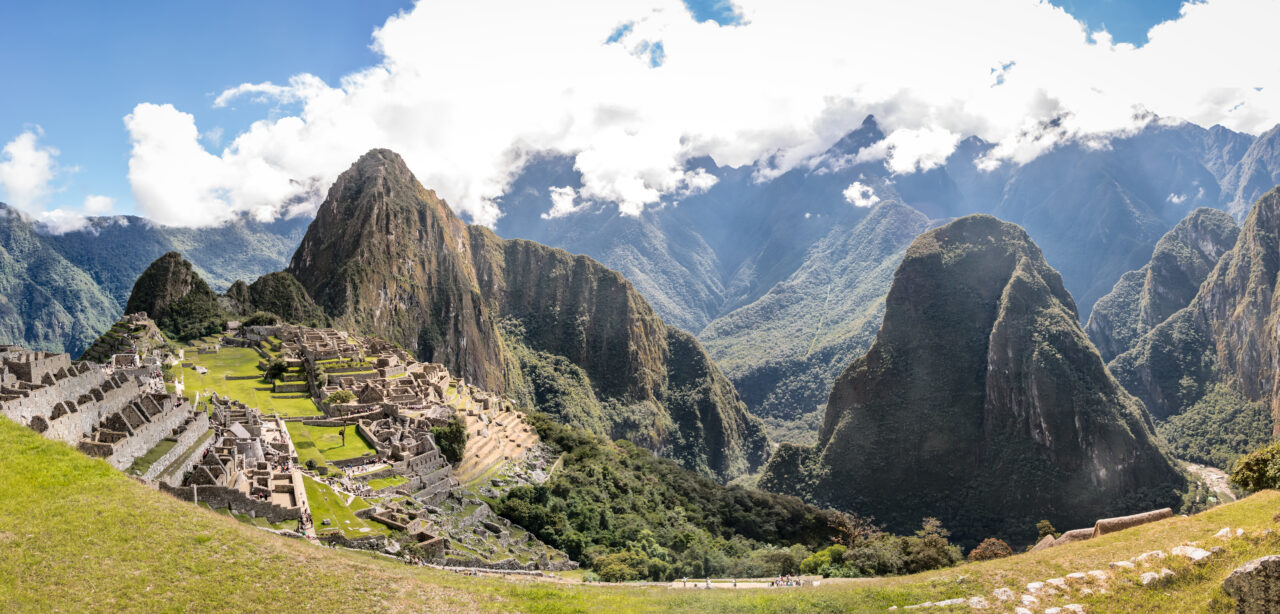
Peru’s landscapes feel cinematic. Machu Picchu rises above cloud forests as a UNESCO World Heritage Site and one of the most powerful symbols of human history meeting nature. The Andes Mountains stretch across the country, shaping weather, culture, and wildlife.
Colca Canyon cuts deep into the earth and offers dramatic views along with sightings of soaring birds. The Peruvian Amazon connects Peru to the larger Amazon rainforest, forming one of the most important ecosystems on Earth. These regions explain why Peru stands out among adventure destinations.
Ecuador and the Markets of the Andes
North of Peru, Ecuador delivers a different kind of thrill. The Otavalo market Ecuador experience draws travelers into a world of color, sound, and tradition. At Otavalo market Otavalo Ecuador, artisans sell textiles, crafts, and goods shaped by generations of culture.
Travelers planning this journey often ask where to stay in Ecuador to balance comfort and access. Choices depend on interests, altitude, and travel style.
Quito vs Guayaquil: Choosing Your Base
Many travelers compare Quito vs Guayaquil when planning Ecuador. Quito sits high in the Andes and feels historic and cool. Guayaquil rests near the coast and feels modern and energetic. Deciding Quito or Guayaquil depends on whether travelers want mountains or lowlands as their base.
Both cities connect travelers to nature reserves, cloud forests, and coastal regions. From Ecuador, travelers can also extend trips to the Galapagos Islands, where wildlife feels fearless and close.
Wildlife Beyond Peru
South America’s wildlife does not stop at borders. Sea lions gather along the Pacific coast, especially near protected areas. The Galapagos Islands offer encounters with animals found nowhere else on Earth.
Cloud forests across Ecuador and Peru shelter rare birds and mammals. These ecosystems link the Andes to the Amazon and help explain why wildlife thrives here. Compared to North America, animal encounters in South America often feel more raw and immersive.
Timing the Adventure
Knowing the best time to visit South America helps travelers see more while avoiding harsh conditions. Dry seasons support trekking and wildlife viewing. Rainy seasons bring lush landscapes and fewer crowds.
Travelers heading south also research the best time of year to visit Patagonia, where seasons shift quickly and weather defines access. Timing shapes every adventure.
Why Exploration Works Better With Expertise
South America rewards bold curiosity, but it also demands smart planning. Wildlife regions, altitude changes, and remote terrain require experience. Advisors who understand national parks, wildlife patterns, and regional timing help travelers move safely and confidently.
L2 differentiates itself by guiding travelers through these complex landscapes. Instead of generic routes, this approach focuses on meaningful encounters and informed decisions. With the right guidance, travelers experience thrill, mystery, and excitement while respecting the land and its wildlife. That balance turns an adventurous journey into a truly unforgettable one.