The World That Inspired Monet
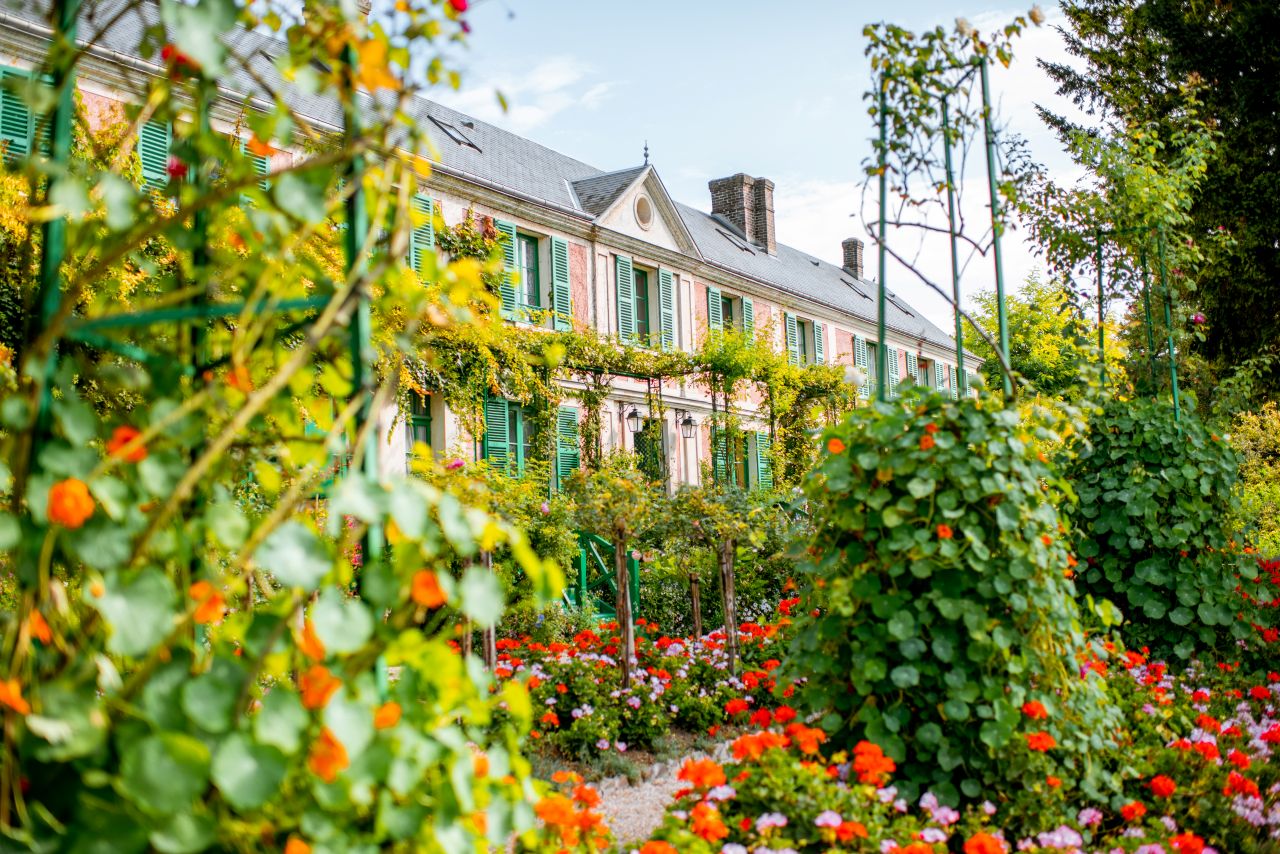
Claude Monet found comfort, inspiration, and clarity in the quiet villages along the Seine. His home in Giverny remains a window into the world he shaped with careful intention. Visitors who walk through The Artist’s Garden at Giverny can imagine how he observed light and color changing from morning to evening. The paths, ponds, and flowers move gently with the wind, creating moments that feel almost familiar to anyone who has seen his paintings.
Nearby, the charming Jardins de Claude Monet offer bright colors, shaded corners, and the iconic lily pond that influenced some of his most celebrated works. These gardens became a living studio, and travelers can still step exactly where the artist once stood. A short walk brings visitors to the Fondation Claude Monet Giverny, where the home and studio are preserved with thoughtful care. Each room reveals details about Monet’s life, from his favorite colors to the arrangement of his brushes.
The nearby Église Sainte-Radegonde de Giverny adds another kind of beauty. This small church dates back to the 12th century, and its quiet surroundings offer a peaceful moment during any visit. Travelers often enjoy meals at La Musardière Restaurant Giverny, where local dishes feel comforting after a day among the gardens. Another beloved spot is Restaurant Baudy, also known as Restaurant Baudy Ancien Hôtel Baudy, which once welcomed artists searching for good conversation and a warm meal. Guests often enjoy reading La Carte in the dining room, imagining the creative energy that once filled the space.
The lasting preservation of Giverny owes much to Gérald Van der Kemp, whose dedication helped protect Monet’s home and gardens. His work ensured that future visitors could step into the same environment that shaped Monet’s creativity. The experience encourages travelers to notice the gentle details of nature and appreciate moments that often pass too quickly to capture.
The Final Days of van Gogh in Auvers-sur-Oise
Vincent van Gogh also found meaning along the rivers north of Paris France, especially in Auvers sur Oise France, where he spent the last months of his life. The town carries a sense of calm that contrasts with the emotional depth found in his final works. Travelers who walk through Auvers see scenes that appear almost unchanged since the artist lived there.
The Church at Auvers, also known as the Van Gogh Church Auvers sur Oise, inspired one of his most powerful pieces. The lines, colors, and movement in the painting reflect the intensity with which van Gogh painted the world around him. Nearby, the Chateau d Auvers or Château de Auvers provides historical context about the town and the artists who lived or worked there.
Visitors often pay their respects at the graves marked by Tombe de Vincent van Gogh photos, where Vincent rests beside his brother Theo. The simplicity of the site reflects the closeness of their relationship. Letters between Vincent and Theo van Gogh reveal how much the brothers relied on one another. Their final resting place carries a quiet tenderness that many travelers find deeply moving.
A visit to Auberge Ravoux offers another understanding of van Gogh’s final days. The preserved dining room remains simple, gentle, and honest, reflecting the atmosphere in which he lived. Auvers also honors other artists connected to the region, including Charles François Daubigny, who influenced both van Gogh and the artistic community along the river.
A Reflection on Beauty and the Future We Cannot See
Both Monet and van Gogh tried to capture moments of light, color, and emotion that were always changing. Their work reminds travelers that nature never repeats itself exactly. A sunrise today is different from a sunrise tomorrow. A reflection in the water changes with every breeze. The Seine continues to move forward, carrying memories of the artists’ lives and inviting travelers to notice details that may disappear before anyone can record them.
The river teaches a quiet lesson. Beauty comes in passing moments, and the world holds scenes that artists of the future will never see. The flowers at Giverny bloom differently each year. The fields around Auvers shift with the seasons. Time changes everything, even the most familiar landscapes.
Experiencing the Artists’ World With AMA and Avalon
Travelers exploring the Seine today can visit these meaningful places with comfort and ease through AMA Waterways and Avalon Waterways. These cruise lines offer guided visits to Giverny, Auvers, and other towns touched by Monet and van Gogh. Their excursions allow guests to see gardens, churches, museums, and peaceful streets at a relaxed pace.
Both cruise lines include trips to sites such as the Auberge Ravoux, the Church at Auvers, the gardens of Giverny, and the Fondation Claude Monet Giverny. Their programs invite travelers to walk through villages, admire river landscapes, and appreciate how these artists found meaning in simple scenes. Many journeys include opportunities to enjoy French cuisine at places such as La Musardière Restaurant Giverny or Restaurant Baudy, where history and tradition blend with warm hospitality.
These experiences do not feel rushed. They encourage travelers to slow down, look carefully, and appreciate beauty as the artists once did. Both AMA Waterways and Avalon Waterways help guests enjoy these places with thoughtful planning and gentle pacing that matches the spirit of the Seine.
A Journey Through Art and Nature
Monet and van Gogh left behind more than paintings. They left invitations to notice the world as it is, even as it changes. When travelers are ready to follow their footsteps along the Seine, we help them find the river cruise that brings these stories to life.